 About
About About
About Blog 2024
 Glossary
 Virtualism
 Questions
 Causation
 FAQs
FAQs Tools
Tools Truth
Truth Faery
Faery Memory
 Philosophy
 Science
 Religion
 Politics
 St Michael
 Tai Chi
 Answers
 Emergence
 Time
Time Iconism
 Alchemy
 Astrology
 Love
Love Death
Death Implications
 Birth Chart
 Examples
 Death
Death Politics
 Relationship
 Soldiers
 Sport
Sport Voyagers
 Fiction
 Planet Pairs
 Contact
 Speaking
 Why Donate
Under Construction
 The Anglo-Zulu War of 1879 - Ulundi
Index
Ulundi's background
The Battle of Ulundi, on 4 July 1879, was the final, decisive battle of the Anglo-Zulu War. Frederic Thesiger [Lord Chelmsford] led around 5,000 British and colonial troops, formed into a large hollow square with artillery and Gatling guns at its corners, against an estimated 20,000 Zulu warriors defending King Cetshwayo's capital. The disciplined firepower of the square broke the Zulu attack within about 45 minutes; some 1,500 to 2,000 Zulus were killed against 13 British dead. Chelmsford ordered the royal kraal at Ulundi burned, effectively ending Zulu independence.
What makes Ulundi such a great example?
Frederic Thesiger and the Victory at Ulundi

Ulundi is a good counterpoint to Hlobane, fought only just over three months earlier: the same commander, Frederic Thesiger, going from one of the worst British defeats of the war to its decisive, war-ending victory. Taken together the two events are a good test of whether a single chart can be read as containing both extremes.
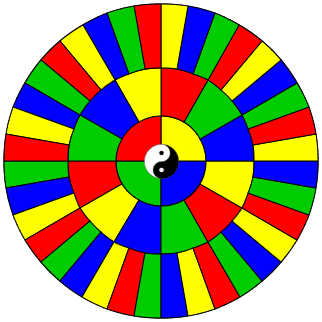
The chart shown is the birth of Frederic Thesiger, set at midday, with transits for the Battle of Ulundi on 4 July 1879 set at midday.

Leave a Comment
Thank you!
Your comment has been submitted and is awaiting moderation.
Comments
No comments yet.
 Go Home
 To encourage the rapid completion of this content, please feel free to donate on
Patreon
To encourage the rapid completion of this content, please feel free to donate on
Patreon This page is /menu/examples/soldiers/ulundi.php and it was last updated on Wednesday 19th of August 2026 11:29:44 PM
© 2019-2026 Jeremy Corney. All rights reserved.